
Church background
Daily Inspiration

Devotions

Daily encouragement and spiritual growth from God's Word.

Hands, prayer and bible for religion in home with worship, peace and reading for spiritual guide
Nehemiah

God Will Not Forget

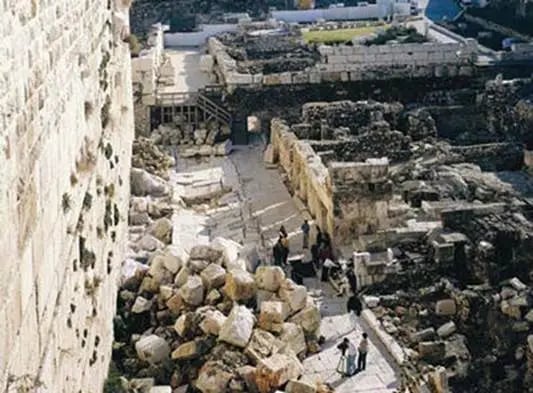
As we read the book of Nehemiah, we read the story of a man who left the comforts of a king's palace to return to Jerusalem to help rebuild the city.

Ezra has already returned from Babylon to rebuild the temple, and that work had been done. But the walls of the city were torn down & burned, the houses knocked down and abandoned.

The king had provided what the children were going to need to rebuild, but it was going to require a tremendous amount of physical labor to get the job done. People began to join together and were assigned specific sections of the walls to rebuild.

At first, things looked like they were going to go well, but let me quote Dallas Billington, a famous preacher from Ohio: "You can't do right and get away with it"

Soon, after the reconstruction began, so did opposition. That opposition came from within and without the nation of Israel.

Israel's enemies were obviously opposed, but so too were some of the Jews who had become accustomed to their way of life, and now that would be changing.

Nehemiah had to deal with trying to coordinate the rebuilding, and fending off the enemy.

He was mentally and physically worn down, and he was wondering if it was all worth it.

Rather than complaining, he prayed, asking God to remember him and what he had done.

Nehemiah 5:19 (KJV)

19 Think upon me, my God, for good, according to all that I have done for this people.

Nehemiah 13:30–31 (KJV)

30 Thus cleansed I them from all strangers, and appointed the wards of the priests and the Levites, every one in his business; 31 And for the wood offering, at times appointed, and for the firstfruits. Remember me, O my God, for good.

God Will Never Forget Your Good Works

There will be opposition, it will be tiring, and things rarely go according to plan. But keep pursuing the course God has put you on.

Amos 8:7 (KJV)

7 The LORD hath sworn by the excellency of Jacob, Surely I will never forget any of their works.

God will never forget what you have done for Him.

Keep faithfully serving, even when the road gets tough.

Businessman telling secrets and gossiping during the meeting at corporate office.
February 2026 Pastor Pete

The Danger of Complaining

Numbers 11:1 (AV)

1 And when the people complained, it displeased the LORD: and the LORD heard it; and his anger was kindled; and the fire of the LORD burnt among them, and consumed them that were in the uttermost parts of the camp.

Insight into this passage

Complaining, we all do it, but I don't think we understand the destructive power of it. In the book of Numbers, there are many chapters that are filled with people complaining, and we should learn some valuable lessons from them.

Four Ways to Avoid Complaining

#1 It displeases God

Somehow, we feel better when we get to complain to someone about how hard we have it. But do we really know what we're saying when we complain?

If we believe that God is ultimately in control, when we complain, we are saying that we are dissatisfied with what God is doing. That we know better than God how our life ought to be.

When we put it in that perspective, we understand why Paul penned these words:

Philippians 4:11–13 (AV) — Not that I speak in respect of want: for I have learned, in whatsoever state I am, therewith to be content. I know both how to be abased, and I know how to abound: every where and in all things I am instructed both to be full and to be hungry, both to abound and to suffer need. I can do all things through Christ which strengtheneth me.

First way to avoid complaining...being content with God's provision

#2 The further we are from God, the more likely we are to complain

Notice that when God punishes those who are complaining, it is those who were in the uttermost parts of the camp.

The Ark of the Covenant represented the presence of God and His word, and it was at the center of the encampment. Those in the uttermost part were furthest from it, thus furthest from the presence of God and His word. The closer we are to God, the less we will complain.

Second way to avoid complaining...get closer to God

#3 God punished those who complained

We need to realize that the person hurt the most by complaining is ourselves. God killed more people for complaining than any other sin in the bible.

1 Corinthians 10:9–11 — Neither let us tempt Christ, as some of them also tempted, and were destroyed of serpents. Neither murmur ye, as some of them also murmured, and were destroyed of the destroyer. Now all these things happened unto them for ensamples: and they are written for our admonition, upon whom the ends of the world are come.

Third way to avoid complaining...Learn from God's chastisement of others

#4 Complaining is contagious

As we read the book of Numbers, we see how that a few complainers infected an entire nation, and keep them from ever getting to the promised land. We should understand that our complaining can hinder someone else's walk with God, and that their complaining can hold us back as well.

Of all the sins that Israel committed, the sin of complaining and murmuring was the most destructive.

Let us commit to follow God's command:

Philippians 2:14 (AV) — Do all things without murmurings and disputings:

Fourth way to avoid complaining...Obey God's command to not complain

Complaining displeases God and is destructive to our spiritual lives. Let us commit to contentment, drawing closer to God, learning from biblical examples, and obeying His command to do all things without murmuring.

— Pete

Ark of the Covenant Isolated on a White Background
February 2026 Pastor Pete

Following God

Numbers 9:19–23 (AV)

19 And when the cloud tarried long upon the tabernacle many days, then the children of Israel kept the charge of the LORD, and journeyed not. 20 And so it was, when the cloud was a few days upon the tabernacle; according to the commandment of the LORD they abode in their tents, and according to the commandment of the LORD they journeyed. 21 And so it was, when the cloud abode from even unto the morning, and that the cloud was taken up in the morning, then they journeyed: whether it was by day or by night that the cloud was taken up, they journeyed. 22 Or whether it were two days, or a month, or a year, that the cloud tarried upon the tabernacle, remaining thereon, the children of Israel abode in their tents, and journeyed not: but when it was taken up, they journeyed. 23 At the commandment of the LORD they rested in the tents, and at the commandment of the LORD they journeyed: they kept the charge of the LORD, at the commandment of the LORD by the hand of Moses.

Insight into this passage

There is so much we could write about the Ark of the Covenant. It is one of the most powerful and mysterious pieces of the tabernacle. It represents the Word of God (because it contained the law) and the presence of God (God met with the high Priest from above the mercy seat).

Moses had erected the tabernacle at Mt Sinai, and the glory of the Lord descended upon it & filled it. (refer back to Exodus 40:34-38). The children of Israel had encamped here nearly 8 months, when the cloud lifted from off the tabernacle and began moving across the wilderness.

Under that cloud was the ark of the covenant. The cloud and the ark would search out a place for the nation to stop and rest on their way to Canaan. An advance party of men would accompany the ark as it journeyed, then they would return and the entire nation would deploy.

As we read, sometimes the encampment was for a couple of days, sometimes for a month, sometimes for a year. We will also see that the encampments did not meet with everybody's approval, they were often not the most commodious locations.

But here are some truths we can learn from this era in Israel's history and the ark leading the nation of Israel through the wilderness.

Three Truths from Israel's Journey

1) We are on a journey in our lives and in our ministry.

I don't know if you have ever been on a camping trip, but my wife and I used to tour the country on our bicycles. We would camp as we travelled. Setting up, and breaking camp was not the favorite part of our adventures. So when we got to stay in one location for a couple of days, it was nice. But we realized, we would never get to our final destination if we got too settled in.

So too are our lives and our ministries, and God never wants us to get so comfortable that we won't follow Him when He wants to move us.

2) God will guide us through His word and Holy Spirit

God will always lead if we allow Him to. He will give direction through His word and Holy Spirit.

All too often I see people make up their mind to do something, and then check in with God afterwards.

We need to be like Israel, and wait for God to lead, and then we follow Him.

3) Not every place He leads will be perfect from a human perspective

As we have read in the book of Exodus already, some of the places God leads do not make sense from a human perspective. Remember, they were trapped by the Red Sea? Remember, they were led to a place with bitter waters? Why would God do that? Why would He lead them to a place that was less than ideal?

Well, in each of those places God did something miraculous, something that only God could do.

  • Yes, they were trapped by the Red Sea, but then they saw God part the waters & defeat their enemy!
  • Yes, they were led to a place of bitter waters, but then they saw God turn those waters sweet!

We will never really experience the power of God unless we allow Him to lead, which may even mean that He leads us to someplace that is less than ideal for a short period of time. But if we allow Him to lead, we will watch as He does the miraculous, do what only He can do!

— Pete

Hand Waving the Flag of the United States of America in memorial day . Us soldier holding American flag celebrating.US Army soldier celebrates holding USA flag celebrating Independence USA day
February 2026 Pastor Pete

Ready, Willing, and Able

Numbers 1:1–3 (AV)

1 And the LORD spake unto Moses in the wilderness of Sinai, in the tabernacle of the congregation, on the first day of the second month, in the second year after they were come out of the land of Egypt, saying, 2 Take ye the sum of all the congregation of the children of Israel, after their families, by the house of their fathers, with the number of their names, every male by their polls; 3 From twenty years old and upward, all that are able to go forth to war in Israel: thou and Aaron shall number them by their armies.

Insight into this passage

Israel had been encamped at Mt Sinai for nearly 8 months. God was now preparing them to go a short distance to Kadesh and enter the promised land.

God knew that the enemy would fight fiercely to hold their ground, so one of the first things God had Moses do was count the number of men who were able to go to war.

Fourteen times in the first chapter of Numbers we see the phrase "able to go forth to war".

When all was said and done, they had counted 603,550 men who were able to go to war.

But as we will see in later chapters, when they were on the border of Canaan, they sent a scouting party into the land and what those men saw instilled fear in the children of Israel. This fear kept all but two men from that generation from ever realizing all the promises of God.

You see, even though they were ABLE to go to war, they were not "Ready & Willing". They were not prepared emotionally and spiritually for warfare. They were dominated by fear which led to a lack in faith in God's promises.

My father, a United States Airforce veteran, taught me the phrase "Ready, Willing & Able, Sir".

It was instilled in me that a person always had to be ready, prepared to do what they were called upon to do at a moment's notice.

They had to have a wiliness of heart and mind, an inner steel that would enable them to persevere when things became difficult.

And finally, they had to be able, capable of accomplishing what was asked of them.

All three had to be in place if you were ever going to succeed in doing what you were asked to do.

I think the same truth applies to our spiritual lives, if we are ever going to succeed in accomplishing what God has called us to do.

The sad thing is, I believe that just like the nation of Israel, there are a lot of Christians who are able to do something for the Lord, but they lack a "Ready & Willing" attitude.

There are so many reasons for this, but rather than dwell on those, let's check our own hearts by asking three questions.

Three Questions to Check Our Hearts

  1. What has God called me to do with my life?
    • As long as we are alive, God has a purpose for our lives.
    • He never calls us to do something that He has not prepared us to do. We are able!
  2. Am I ready to respond to God at a moment's notice?
    • This is where most of us miss the mark. Most of us have so many obligations, we could not respond to God immediately, we would have to "get our affairs in order".
    • Why not get our affairs in order now, so we're ready to respond to God when He calls upon us?
  3. Am I willing? Are we joyfully surrendered to the purpose and plan of God for our lives, so that whatever God would ask us to do, we are willing to do it?

603,550 men were able to go to war… but as we will see in chapter 13, only two were "Ready, Willing & Able". Let us be numbered with men like those two, rather than the crowd who were able, but not ready & willing.

— Pete

Young businesswoman is having problems while working from home and reading a message on her smart phone, touching her forehead with a thoughtful expression
February 2026 Pastor Pete

Reminding Ourselves of the Goodness of God

Leviticus 23:1–2 (AV)

1 And the LORD spake unto Moses, saying, 2 Speak unto the children of Israel, and say unto them, Concerning the feasts of the LORD, which ye shall proclaim to be holy convocations, even these are my feasts.

Insight into this passage

There are seven feasts listed in this chapter:

  1. Passover — Verse 4-5
  2. Unleavened Bread — Verse 6
  3. First Fruits — Verse 9
  4. The Harvest — Verses 15-23
  5. Blowing of the Trumpets — Verse 23
  6. Atonement — Verse 27
  7. Tabernacles — Verse 33

Each of these feasts were commanded by God to remind the children of Israel of the goodness of God.

  • Passover was to remind them of their deliverance from bondage
  • Unleavened bread was to remind them that God was taking them to a better place
  • First fruits was a feast that required fasting, reminding them how strong the flesh is
  • The harvest was a celebration of thanksgiving for God's provision
  • The blowing of the trumpets reminded them of the victories that God had given them
  • The Atonement was a reminder of God's holiness, and their own unholiness
  • Tabernacles was a reminder that God was with them as they journeyed through the wilderness

These feasts were designed so that the nation of Israel would never forget who God is, and what God had done, and was doing for them. Although I don't have it all figured out, each of these feasts also give us insight into the timing of God's plan for the earth and the nation of Israel.

Like anything that gets repeated often, the feasts became routine, and even despised among the Israelites. When they kept each feast, it was out of mere obligation. It was at this point that God said to them through the prophet Isaiah:

Isaiah 1:10-14 — "Hear the word of the LORD, ye rulers of Sodom; give ear unto the law of our God, ye people of Gomorrah. To what purpose is the multitude of your sacrifices unto me? saith the LORD: I am full of the burnt offerings of rams, and the fat of fed beasts; and I delight not in the blood of bullocks, or of lambs, or of he goats. When ye come to appear before me, who hath required this at your hand, to tread my courts? Bring no more vain oblations; incense is an abomination unto me; the new moons and sabbaths, the calling of assemblies, I cannot away with; it is iniquity, even the solemn meeting. Your new moons and your appointed feasts my soul hateth: they are a trouble unto me; I am weary to bear them."

It's a good reminder to us to do two things:

A. Regularly remind ourselves of the seven truths taught by each one of these feasts:

  1. Our deliverance
  2. Our preparedness to depart this world at any moment
  3. To keep our flesh under control of the Holy Spirit
  4. Be thankful for God's provision
  5. The victories God has given you
  6. God's holiness
  7. God's presence

B. Check our attitudes when it comes to doing what God has asked us to do. As New Testament believers, we don't keep the Jewish feasts, but there are things that God has asked us to do. Sometimes we become weary in well doing. Something may trigger negative thoughts, and we just start going through the motions, we just get the things of God done so that we can move onto something else in life.

If/when that happens, stop and remind yourself of the goodness of God. He has been so good to us, that whatever he may ask us to do pales in comparison to all He has done for us.

— Pete

MUNGER, INDIA - 9 February 2014 : Leprosy patients in a remote leper colony in rural India gather together as a community outside the town of Munger.
January 2026 Pastor Pete

The Cleansing of a Leper

Leviticus 14:23–28 (AV)

23 And he shall bring them on the eighth day for his cleansing unto the priest, unto the door of the tabernacle of the congregation, before the LORD. 24 And the priest shall take the lamb of the trespass offering, and the log of oil, and the priest shall wave them for a wave offering before the LORD: 25 And he shall kill the lamb of the trespass offering, and the priest shall take some of the blood of the trespass offering, and put it upon the tip of the right ear of him that is to be cleansed, and upon the thumb of his right hand, and upon the great toe of his right foot: 26 And the priest shall pour of the oil into the palm of his own left hand: 27 And the priest shall sprinkle with his right finger some of the oil that is in his left hand seven times before the LORD: 28 And the priest shall put of the oil that is in his hand upon the tip of the right ear of him that is to be cleansed, and upon the thumb of his right hand, and upon the great toe of his right foot, upon the place of the blood of the trespass offering:

Insight into this passage

Leprosy, the very mention of this disease struck fear into the very core of everyone that heard its name. In the past it was untreatable, and the disease attacked the nerves that supply feeling to the hands, feet, eyes and parts of the face. This meant that when people injured themselves they did not feel pain, so they didn't notice their injury. Leprosy caused muscle weakness and paralysis, leading to 'clawed hand', when the fingers weaken and curl up; 'foot-drop', when the muscles that lift the feet no longer work properly. Roughly ¾ of lepers lost their hearing.

Highly contagious, and incurable, a person who had leprosy was required to separate themselves from everyone else, cover their mouth with a cloth, and walk around crying "unclean". They could not enter the temple, they were shunned by all.

When someone appeared to have been cured of leprosy, it was a miracle, something only God could do. Then, only the priest could determine if a leper was cleansed, and after assessing if leper had been truly cured, the priest would apply blood and oil to the right ear, thumb, & big toe so they could end their separation.

Why was this done?

Physically, the ear, thumb & toe represented the three areas of the body most affected by the disease. The application of the blood & oil was symbolic of complete cleansing. People could see by the application of the blood & oil that the high priest had declared the leper clean.

Spiritually, there are some great truths to be learned from this for ourselves. After all, everything written in the bible is designed to impart spiritual truths to us.

Leprosy is a picture of sin. Once it is introduced to the body, it spreads rapidly, makes a person completely unclean, and there is no human cure for it. Only God can cleanse us and heal us of our sin.

Spiritual symbolisms found in the cleansing of the leper:

  • On the eighth day… eight is the number of new beginnings (2 Corinthians 5:17)
  • Come to the priest… Jesus Christ is our high priest (Hebrews 4:14)
  • Kill the lamb… Jesus Christ is the lamb of God that taketh away the sin of the world (John 1:29)
  • Blood… The sacrifice of Jesus that brings forgiveness for our sins (Colossians 1:14)
  • Oil… the empowering presence of the Holy Spirit, applied after the blood (1 Sam 16:13; Ephesians 1:12-13)
  • Right side… Jesus is seated at the right hand of God (Colossians 3:1)
  • Ear… faith cometh by hearing, and hearing by the word of God (Romans 10:17)
  • Thumb… opposing thumbs is what sets us aside as humans from the animals (2 Corinthians 6:14-18)
  • Big Toes… key to balance, and enables us to "pushing off" as we run (1 Corinthians 9:25-27)

Combining all of these things, the cleansing of a leper is a wonderful picture of our cleansing from sin.

When we come to Jesus Christ, and trust Him for our salvation, we are cleansed from our sin because of His sacrifice on the cross, where He shed His blood for us.

That cleansing is complete, nothing needs to be added to it for our salvation. Once that has been done, the Holy Spirit comes into our lives, and empowers us to live by faith, to be different from the world, and to run the race that is set before us.

I pray that as we read about the miraculous cleansing of a leper, and the second chance that they had been given, that we would stand in awe of Jesus Christ, and the wonderful miracle of salvation.

Praise the LORD for His goodness to us!

— Pete

Christian man in silhouette, praying to God and worshiping Jesus Christ at sunset, seeking peace and reflection from sunrise to sunset.
January 2025 Pastor Pete

Be a Prayer Warrior

Exodus 17:8-13

Then came Amalek, and fought with Israel in Rephidim. 9 And Moses said unto Joshua, Choose us out men, and go out, fight with Amalek: to morrow I will stand on the top of the hill with the rod of God in mine hand. 10 So Joshua did as Moses had said to him, and fought with Amalek: and Moses, Aaron, and Hur went up to the top of the hill. 11 And it came to pass, when Moses held up his hand, that Israel prevailed: and when he let down his hand, Amalek prevailed. 12 But Moses' hands were heavy; and they took a stone, and put it under him, and he sat thereon; and Aaron and Hur stayed up his hands, the one on the one side, and the other on the other side; and his hands were steady until the going down of the sun. 13 And Joshua discomfited Amalek and his people with the edge of the sword.

Personal Insights

In this portion of the book of Exodus, we see God providing many things for Moses and the children of Israel. He protects them, guides them, and miraculously provides them with manna & water out of the rock.

But Moses is trying to do everything himself (occasionally with Aaron's help). Moses is becoming exhausted, physically and emotionally. God, seeing Moses' dilemma, provides for him able men to help lead the nation (chapters 18-19).

What caught my attention was that before God provided leaders to help with the physical side of leading over 1 million people, he provided two men who joined Moses in something much more important: prayer.

The Amalekites had attacked Israel. Joshua went to battle to defend against this attack. Moses would lift his hands, and as long as he did so, Israel & Joshua prevailed. But if Moses' hands dropped, the Amalekites prevailed. Two men seeing this, came to stand beside Moses, and if Moses' hands dropped, they supported him by holding up his arms, and Israel would prevail once more.

What is significant is that the holding up of hands is associated with prayer:

1 Timothy 2:8 — "I will therefore that men pray every where, lifting up holy hands, without wrath and doubting."

Moses started out by himself… but he became weary, and his hands would drop. Two men came alongside of him, to hold his hands up. The thing is, in order to lift Moses' hands, they had to lift their hands too. So we have a picture of three men joined together in prayer, and God gave a great victory when they did.

God never gives us the names of the leaders who helped Moses physically in chapter 18-19, but the two men that stood by Moses in prayer, Aaron & Hur, have their names recorded for all of eternity in God's word.

There are times when we are all like Moses, weary in the battle. Aaron and Hur came alongside Moses during this trial, and lifted their hands along with his in prayer. (No indication from scriptures that Moses asked them to do this—they just saw Moses in trouble and they stepped in.)

May we be like Aaron and Hur, quietly stepping alongside our brothers & sisters in Christ in prayer. There is nothing more encouraging than to know someone is praying for/with you. That's when the victory will be won!

James 5:16 (KJV) — "Confess your faults one to another, and pray one for another, that ye may be healed. The effectual fervent prayer of a righteous man availeth much."

It's always right to pray!

May God bless you in His word today.

— Pete

About Daily Devotions

Our devotional blog will feature daily reflections on Scripture, practical applications for Christian living, and encouragement for your spiritual journey.

Categories

  • Coming soon...

Stay Updated

Want to be notified when devotions are available? Contact us to join our mailing list.

Contact Us
Group of unrecognizable people around a large bonfire during the celebration of Litha, an ancient pagan festival that Christianity turned into the night of St. John.
Pastor

I Have Found the Book…

We will find in the following passages of scripture the keys to personal and national revival

2 Chronicles 34:1–3 (KJV)

1 Josiah was eight years old when he began to reign, and he reigned in Jerusalem one and thirty years. 2 And he did that which was right in the sight of the LORD, and walked in the ways of David his father, and declined neither to the right hand, nor to the left. 3 For in the eighth year of his reign, while he was yet young, he began to seek after the God of David his father: and in the twelfth year he began to purge Judah and Jerusalem from the high places, and the groves, and the carved images, and the molten images.

2 Chronicles 34:14–15 (KJV)

14 And when they brought out the money that was brought into the house of the LORD, Hilkiah the priest found a book of the law of the LORD given by Moses. 15 And Hilkiah answered and said to Shaphan the scribe, I have found the book of the law in the house of the LORD. And Hilkiah delivered the book to Shaphan.

Thus began one of the greatest revivals in the history of the nation of Israel.

2 Chronicles 35:18–19 (KJV)

18 And there was no passover like to that kept in Israel from the days of Samuel the prophet; neither did all the kings of Israel keep such a passover as Josiah kept, and the priests, and the Levites, and all Judah and Israel that were present, and the inhabitants of Jerusalem. 19 In the eighteenth year of the reign of Josiah was this passover kept.

Josiah, (his name means "whom God heals") saw that his nation was in a mess, and he understood that it wasn't a political or social problem, but rather a spiritual problem.

He began his quest to make things right by having the priesthood cleanse the temple of things that had no business being there. They found idols and piles of money. And once they had cleared all that away, there it was, the book of the law. Hilkiah gets the book to the king, who upon hearing what God said in the book, humbled himself, repented, and brought forth one of the greatest revivals ever.

Every time I read this passage, my heart is stirred. There is no greater treasure in life that the word of God, and to reconnect with God through His word is one of the greatest joys in life. It takes a mundane and routine life and ignites it with the fire of God that burns strong and bright.

Are you feeling like you need personal revival? Like something is just a little off in your spiritual life, little flat or even mundane?

The Path of Revival

We can learn the path of revival from this passage (both personal and corporate):

  1. Determine to walk in God's ways 2 Chron 34:1-2
  2. Seek after God 2 Chron 34:3
  3. Cleanse our lives of what doesn't belong there 2 Chron 34:3;15
  4. Repent when confronted with sin in our lives 2 Chron 34:19
  5. Pray, and have others pray for you as well 2 Chron 34:21
  6. Have a tender heart towards God & His word 2 Chron 34:26-27
  7. Publicly commit to doing what is right 2 Chron 34:31
  8. Gather others around you who have the same commitment 2 Chron 34:32
  9. Put away things that would tempt you away from God 2 Chron 34:33

I could go into great detail on each of these point, but don't miss this: because of the commitment of one man, revival came, and God spared a nation, just as He had promised.

2 Chronicles 7:14 (KJV)

14 If my people, which are called by my name, shall humble themselves, and pray, and seek my face, and turn from their wicked ways; then will I hear from heaven, and will forgive their sin, and will heal their land.

God can bring revival, but we need to do our part. Look at those steps above, and if you want revival, begin your journey today!

About Daily Devotions

Join us daily for encouraging devotions that bring biblical truth to life. Let God's Word transform your day and draw you closer to Him.

Subscribe for Updates

Get devotions delivered to your inbox

Join Our List
Hands, prayer and bible for religion in home with worship, peace and reading for spiritual guide. Person, Christian book and faith with reflection with scripture for connection to God at apartment
Ezra & Nehemiah

The Good Hand of God

The books of Ezra and Nehemiah are two of my favorite books in the Old Testament.

They describe the return of the children of Israel to Jerusalem after 70 years of being held captive in Babylon. These seventy years of captivity were the result of disobedience, where God had to deal harshly with the children of Israel because of their sin.

But praise the Lord for the following truth:

Psalm 103:8–10 (KJV)

8 The LORD is merciful and gracious, slow to anger, and plenteous in mercy. 9 He will not always chide: neither will he keep his anger for ever. 10 He hath not dealt with us after our sins; nor rewarded us according to our iniquities.

Yes, God is angered when we refuse to turn to Him and repent for our sins. And sin carries consequences… but God does not retain His anger forever.

Not only does He not retain His anger, but things can turn from the chastening hand of the Lord upon our lives, to the good hand being upon our lives.

Ezra & Nehemiah have something in common; they had the good hand of God upon them.

Ezra 7:8–10 (KJV)

8 And he came to Jerusalem in the fifth month, which was in the seventh year of the king. 9 For upon the first day of the first month began he to go up from Babylon, and on the first day of the fifth month came he to Jerusalem, according to the good hand of his God upon him. 10 For Ezra had prepared his heart to seek the law of the LORD, and to do it, and to teach in Israel statutes and judgments.

Nehemiah 2:8 (KJV)

8 And a letter unto Asaph the keeper of the king's forest, that he may give me timber to make beams for the gates of the palace which appertained to the house, and for the wall of the city, and for the house that I shall enter into. And the king granted me, according to the good hand of my God upon me.

I don't know about you, but I want the good hand of God to be on my life, so what is it about these two men that brought this about?

Seven Qualities of the "Good Hand"

  1. 1

    Both had a desire to do something for God

  2. 2

    Both were men of prayer

  3. 3

    Both men prepared their hearts to seek God & obey His commandments

  4. 4

    Both men did not want to do things through human power and wisdom, they wanted God to do something great in their life

  5. 5

    Both men wanted to lead others back to God and His ways

  6. 6

    Both men waited for God to move on their behalf

  7. 7

    Both men gave credit to God for the good that was happening in their lives

A Prayer for God's Good Hand

I pray we would examine our lives, what our desires are, our willingness to turn to God and wait upon God to work. What a joy it would be to say "the good hand of God is upon my life".

Weathered limestone blocks form a low fortress wall fragment at Zippori National Park in Galilee Israel
Nehemiah 2

The Good Hand of My God

Nehemiah 2:8 (KJV)

8 And a letter unto Asaph the keeper of the king's forest, that he may give me timber to make beams for the gates of the palace which appertained to the house, and for the wall of the city, and for the house that I shall enter into. And the king granted me, according to the good hand of my God upon me.

In this powerful verse, Nehemiah demonstrates remarkable faith and strategic planning. As cupbearer to King Artaxerxes, he had access to the king—but he didn't just ask for permission to go and rebuild. He asked for the resources he would need: timber for the gates, the wall, and his own dwelling.

Nehemiah understood something crucial about kingdom work: vision alone isn't enough. You need resources to execute the mission. But more importantly, notice his attitude—he attributed his success not to his own position or persuasion, but to "the good hand of my God upon me."

The "good hand of God" is a beautiful phrase that appears throughout scripture. It speaks of God's favor, provision, and guidance—His empowering presence that enables us to accomplish what we could never do on our own.

When you undertake something for God's kingdom, don't forget to ask for the resources you need—and remember to give thanks for the good hand of God that made it possible.

Trust in God's Good Hand

Ask Him for the vision, the resources, and the favor to accomplish His work.

Open Bible glowing with golden light, symbolizing the Word of God, faith, prayer, hope, spiritual guidance
2 Chronicles 34-35

I Have Found the Book...

We will find in the following passages of scripture the keys to personal and national revival.

2 Chronicles 34:1–3 (KJV)

1 Josiah was eight years old when he began to reign, and he reigned in Jerusalem one and thirty years. 2 And he did that which was right in the sight of the LORD, and walked in the ways of David his father, and declined neither to the right hand, nor to the left. 3 For in the eighth year of his reign, while he was yet young, he began to seek after the God of David his father: and in the twelfth year he began to purge Judah and Jerusalem from the high places, and the groves, and the carved images, and the molten images.

2 Chronicles 34:14–15 (KJV)

14 And when they brought out the money that was brought into the house of the LORD, Hilkiah the priest found a book of the law of the LORD given by Moses. 15 And Hilkiah answered and said to Shaphan the scribe, I have found the book of the law in the house of the LORD. And Hilkiah delivered the book to Shaphan.

Thus began one of the greatest revivals in the history of the nation of Israel.

2 Chronicles 35:18–19 (KJV)

18 And there was no passover like to that kept in Israel from the days of Samuel the prophet; neither did all the kings of Israel keep such a passover as Josiah kept, and the priests, and the Levites, and all Judah and Israel that were present, and the inhabitants of Jerusalem. 19 In the eighteenth year of the reign of Josiah was this passover kept.

Josiah, (his name means "whom God heals") saw that his nation was in a mess, and he understood that it wasn't a political or social problem, but rather a spiritual problem.

He began his quest to make things right by having the priesthood cleanse the temple of things that had no business being there. They found idols and piles of money. And once they had cleared all that away, there it was, the book of the law. Hilkiah gets the book to the king, who upon hearing what God said in the book, humbled himself, repented, and brought forth one of the greatest revivals ever.

Every time I read this passage, my heart is stirred. There is no greater treasure in life that the word of God, and to reconnect with God through His word is one of the greatest joys in life. It takes a mundane and routine life and ignites it with the fire of God that burns strong and bright.

Are you feeling like you need personal revival? Like something is just a little off in your spiritual life, little flat or even mundane?

The Path of Revival

We can learn the path of revival from this passage (both personal and corporate):

  1. 1

    Determine to walk in God's ways

    2 Chronicles 34:1-2

  2. 2

    Seek after God

    2 Chronicles 34:3

  3. 3

    Cleanse our lives of what doesn't belong there

    2 Chronicles 34:3;15

  4. 4

    Repent when confronted with sin in our lives

    2 Chronicles 34:19

  5. 5

    Pray, and have others pray for you as well

    2 Chronicles 34:21

  6. 6

    Have a tender heart towards God & His word

    2 Chronicles 34:26-27

  7. 7

    Publicly commit to doing what is right

    2 Chronicles 34:31

  8. 8

    Gather others around you who have the same commitment

    2 Chronicles 34:32

  9. 9

    Put away things that would tempt you away from God

    2 Chronicles 34:33

I could go into great detail on each of these point, but don't miss this: because of the commitment of one man, revival came, and God spared a nation, just as He had promised.

2 Chronicles 7:14 (KJV)

14 If my people, which are called by my name, shall humble themselves, and pray, and seek my face, and turn from their wicked ways; then will I hear from heaven, and will forgive their sin, and will heal their land.

God can bring revival, but we need to do our part.

Look at those steps above, and if you want revival, begin your journey today!